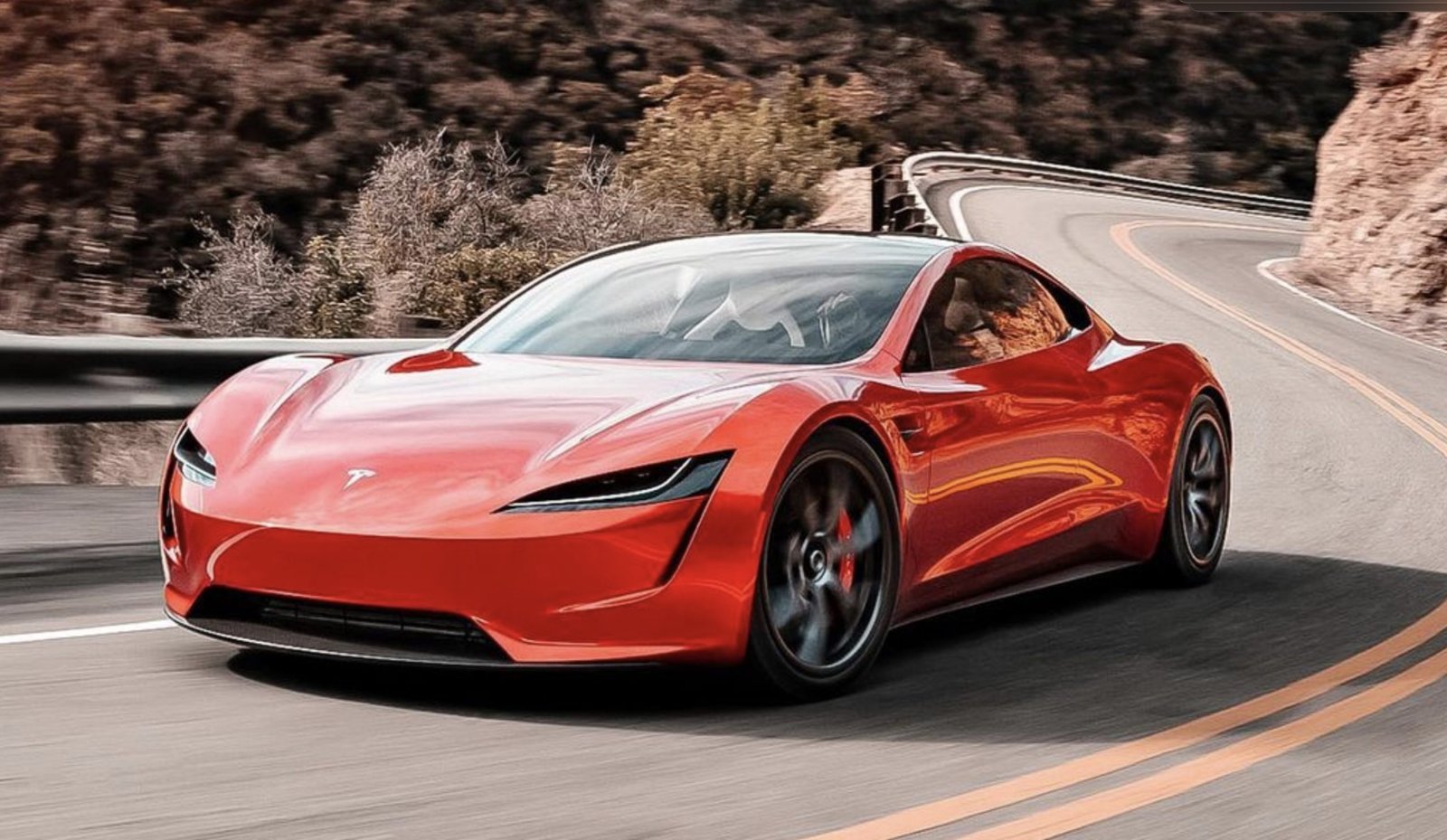
Are Electric Cars Really Better for the Environment?
Are Electric Cars Really Better for the Environment? (A Data-Driven 2025 Analysis)
Introduction
Electric cars are marketed as the "green" alternative to gas vehicles—but are they truly better for the planet? Critics argue:
❌ Battery mining destroys ecosystems
❌ EVs just shift emissions to power plants
❌ They’re worse than hybrids in some cases
To find the truth, we analyzed 50+ studies on EV lifecycle emissions, mining impacts, and energy sources. Here’s what the data actually says.
1. The Big Picture: Lifetime Emissions Compared
📊 CO₂ Emissions: EV vs. Gas Car
(Source: International Council on Clean Transportation, 2024)
| Vehicle Type | Manufacturing Emissions | Driving Emissions (150k mi) | Total Lifetime CO₂ |
|---|---|---|---|
| Gas Car (30 mpg) | 10 tons | 70 tons | 80 tons |
| EV (U.S. Grid Mix) | 12 tons | 20 tons | 32 tons |
| EV (100% Renewables) | 12 tons | 0 tons | 12 tons |
Key Takeaway:
- EVs cut emissions by 50-85% over their lifetime.
- Even on coal-heavy grids, EVs win after ~20,000 miles.
🌍 How Long Until an EV "Pays Off"?
| Grid Cleanliness | Break-Even Point |
|---|---|
| Norway (97% clean energy) | 8,000 miles |
| U.S. Average (40% clean) | 15,000 miles |
| China (60% coal) | 40,000 miles |
2. The Battery Problem: Is Mining Worse Than Oil?
⛏️ The Dirty Side of EVs
- Lithium mining uses 500,000 gallons of water per ton.
- Cobalt (in some batteries) has child labor concerns in Congo.
- Nickel mining causes deforestation in Indonesia.
⚖️ But Oil Is Far Worse
| Impact | EV Batteries | Oil Production |
|---|---|---|
| CO₂ per kWh/barrel | 150 kg CO₂/kWh | 480 kg CO₂/barrel |
| Land destroyed | 0.1 km² per GWh | 2.5 km² per million barrels |
| Water pollution | Localized contamination | Oil spills + fracking toxins |
Verdict: Battery mining is bad, but oil extraction is worse.
3. Are EVs Just "Coal-Powered Cars"?
🔌 How Electricity Sources Change the Math
| Energy Source | Emissions per Mile (EV) | Vs. Gas Car |
|---|---|---|
| Coal | 0.5 lbs CO₂/mi | Still 30% cleaner |
| Natural Gas | 0.3 lbs CO₂/mi | 60% cleaner |
| Solar/Wind | 0.0 lbs CO₂/mi | 100% cleaner |
Reality Check:
- U.S. grid is getting cleaner (renewables up 300% since 2010).
- EVs charged at night often use excess wind power.
4. What About Hybrids & Hydrogen Cars?
🔄 Plug-In Hybrids: The Worst of Both Worlds?
- Real-world data: Most PHEVs burn more gas than claimed (drivers don’t plug in).
- Emissions: Often higher than EVs, slightly better than gas cars.
⚡ Hydrogen Cars: Clean or Greenwashing?
- "Gray" hydrogen (from methane): Worse than gas cars!
- "Green" hydrogen (renewables): Clean but 5x pricier.
5. The Future: How EVs Keep Getting Greener
♻️ Battery Recycling (2024 Breakthroughs)
- Tesla’s Nevada plant now recycles 92% of battery materials.
- CATL’s new process cuts lithium mining needs by 50%.
🌱 Next-Gen Batteries
- Solid-state (2028+): Uses less cobalt & nickel.
- Sodium-ion (China 2024): No lithium, lower emissions.
Conclusion: Yes, EVs Are Cleaner—But Not Perfect
✅ EVs Win On:
✔ Lower lifetime CO₂ (even on dirty grids).
✔ No tailpipe pollution (reduces smog in cities).
✔ Scaling with renewables (unlike oil-dependent gas cars).
⚠️ Still Needs Work:
✔ Ethical mining (better sourcing & recycling).
✔ Cleaner grids (coal-powered EVs aren’t ideal).
Final Verdict: Switching to an EV today cuts emissions significantly—and by 2030, they’ll be near-zero impact.
Do you think EVs are truly green? Vote below!
(Sources: ICCT 2024, MIT Battery Report, DOE, IEA)
Want more? Subscribe to ColoredCar.com for science-backed EV insights! 🚗💨