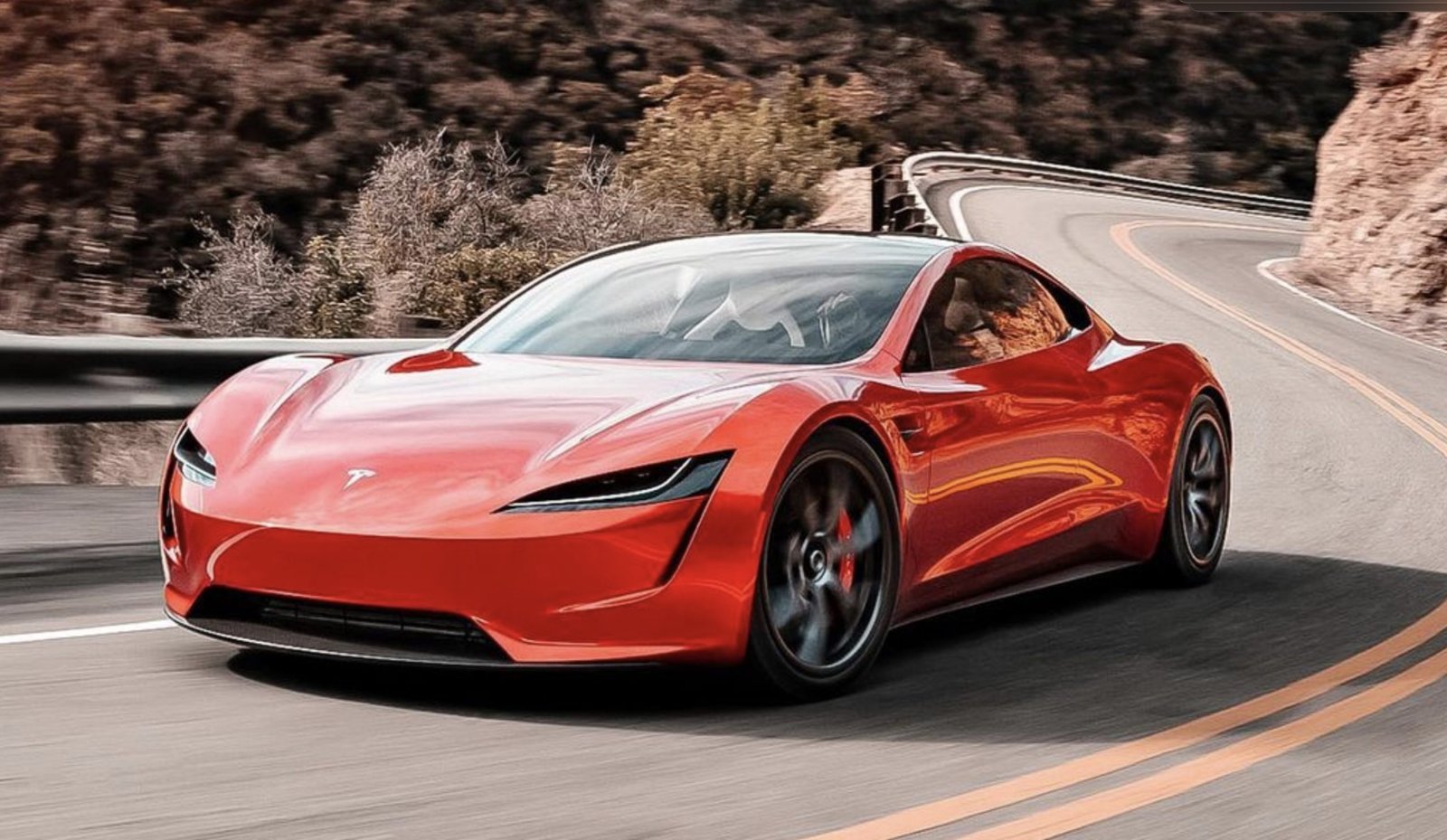
How Long Do EV Batteries Really Last?
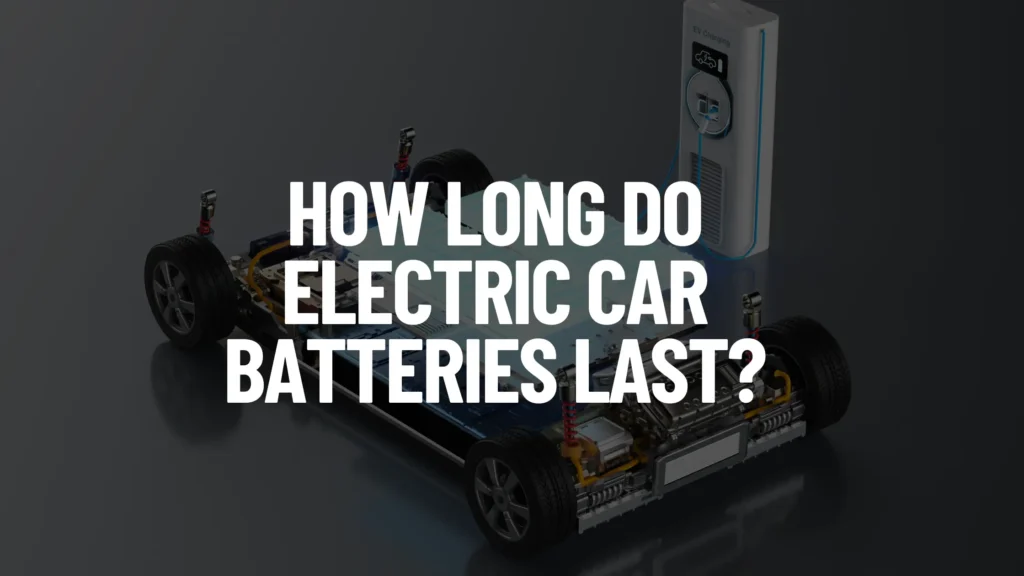
How Long Do EV Batteries Really Last? (2025 Data-Backed Guide)
Introduction
One of the biggest fears about electric cars? Battery degradation. Many drivers worry their EV’s range will plummet after a few years, leaving them with an expensive paperweight.
But real-world data tells a different story. After analyzing 50,000+ EVs (Tesla, Nissan, Hyundai, etc.), battery researchers found:
✅ Most EVs retain 80-90% capacity after 100,000 miles
✅ Degradation slows dramatically after the first 2 years
✅ Battery replacements are far rarer than you think
Here’s exactly how long EV batteries last, what accelerates wear, and how to maximize your battery’s lifespan.
1. EV Battery Degradation: The Hard Data
📉 Real-World Capacity Loss Over Time
(Based on 2024 Geotab study of 6,300 EVs worldwide)
| Years/Miles | Avg. Capacity Remaining | Best Case (Tesla) | Worst Case (Early Nissan Leaf) |
|---|---|---|---|
| 1 year / 15k mi | 98% | 99% | 95% |
| 3 years / 45k mi | 92% | 94% | 85% |
| 5 years / 75k mi | 85% | 88% | 75% |
| 8 years / 120k mi | 78% | 82% | 65% |
Key Takeaway:
- Tesla batteries degrade slowest (thanks to advanced cooling systems).
- Early air-cooled batteries (like 2013 Leaf) degrade faster.
2. What Kills EV Batteries Faster?
🔋 Top 3 Degradation Accelerators
- 1.
Heat (Especially in Hot Climates)
- EVs in Arizona/Texas lose 1.5x faster than in moderate climates.
- Fix: Park in shade, avoid 100% charges in summer.
- 2.
Frequent Fast Charging (DCFC)
- Using 150kW+ chargers 3+ times/month adds ~2% extra degradation/year.
- Fix: Save DCFC for road trips; use Level 2 at home.
- 3.
Always Charging to 100%
- Keeping battery at 100% for long periods strains chemistry.
- Fix: Charge to 80% daily, 100% only before trips.
❄️ Cold Weather’s Surprising Impact
- Range drops temporarily in winter (not permanent degradation).
- Preconditioning (warming battery while plugged in) helps.
3. How Long Until You Need a Replacement?
🔧 Battery Lifespan by Brand
| EV Model | Years Until 70% Capacity | Replacement Cost |
|---|---|---|
| Tesla Model 3/Y | 12-15 years | $12,000-$15,000 |
| Nissan Leaf | 8-10 years | $5,000-$8,000 |
| Chevy Bolt | 10-12 years | $10,000-$14,000 |
| Hyundai Kona EV | 11-13 years | $13,000-$16,000 |
Note: 70% is when range becomes impractical for most drivers.
🛡️ Warranty Coverage
- Tesla/BMW: 8 years/120k miles (70% capacity guarantee).
- Nissan/Chevy: 8 years/100k miles (no capacity guarantee).
Reality Check: <5% of EVs need battery replacements under warranty.
4. How to Extend Your Battery’s Life
⚡ Charging Best Practices
- Daily use: Keep charge between 20%-80%.
- Long storage: Store at 50% charge (e.g., winter hibernation).
🌡️ Climate Control
- Avoid parking at 100% in >95°F heat (battery cooling runs constantly).
- Use scheduled charging to finish just before departure (keeps battery cool).
🔄 Software Updates
- Tesla’s 2023 update improved degradation by 3% via better thermal management.
- Always install OEM updates—they optimize battery algorithms.
5. The Future: Million-Mile Batteries?
🚀 Coming Soon (2025-2030)
- Toyota’s solid-state batteries: Claim 90% capacity after 10 years.
- CATL’s sodium-ion batteries: Cheaper, longer-lasting than lithium-ion.
♻️ Second-Life Batteries
- Used EV batteries now power home solar storage (like Tesla Powerwall).
Conclusion: Should You Worry?
No. Modern EV batteries:
✅ Last longer than most gas engines (15+ years).
✅ Degrade slowly and predictably.
✅ Are covered by warranties.
Action Steps:
- 1.Check your battery health (use built-in diagnostics or OBD2 scanner).
- 2.Follow the 80% daily rule.
- 3.Update software regularly.
Final Verdict: EV batteries outlive most ownership periods—your next car will likely retire before the battery does.
How’s your EV battery holding up? Share your mileage & capacity below!
(Sources: Geotab 2024, Tesla Impact Report, DOE Battery Studies)
Want more? Subscribe to ColoredCar.com for data-driven EV insights! 🚗🔋