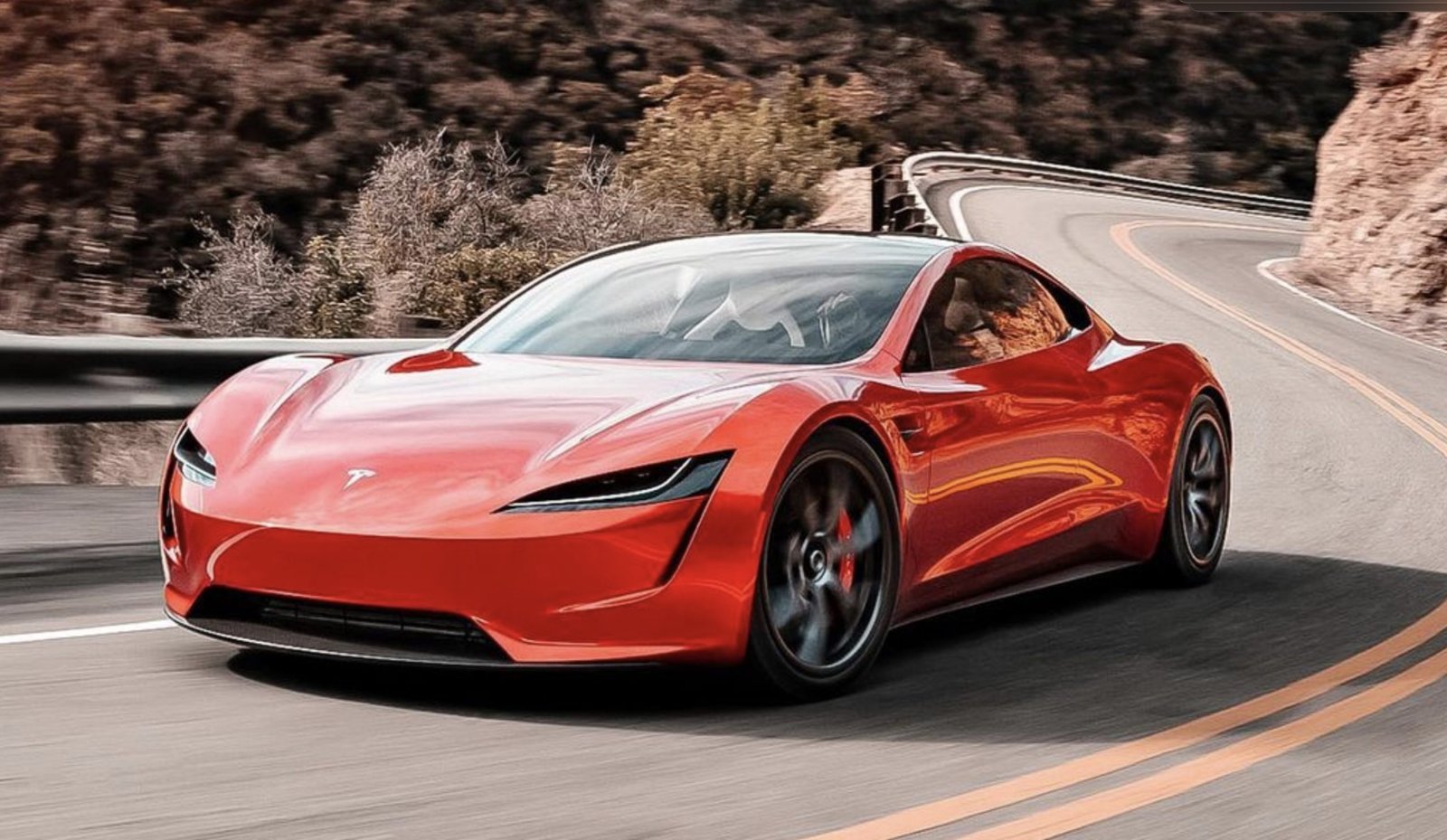
Solid-State Batteries: The Future of EVs?
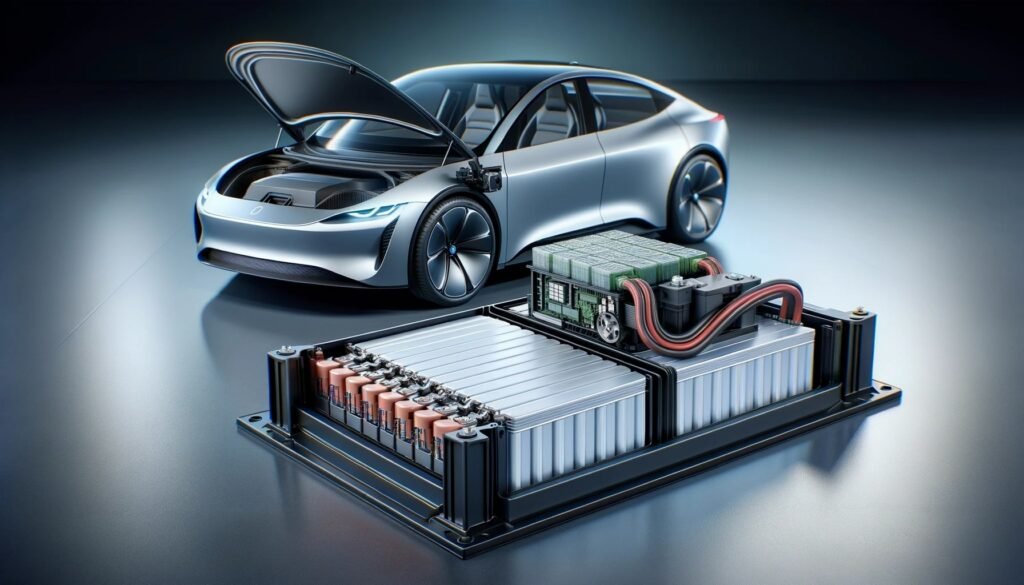
Solid-State Batteries: The Future of EVs? (2025 Deep Dive)
Introduction
For decades, lithium-ion batteries have powered our phones, laptops, and electric cars. But a revolutionary technology—solid-state batteries (SSBs)—could soon make them obsolete.
Toyota, BMW, and QuantumScape claim SSBs will:
✅ Double EV range (500+ miles on a charge)
✅ Charge in 10 minutes (vs. 30+ mins today)
✅ Last 2x longer (1,000+ charge cycles with minimal degradation)
But are they ready for prime time? We analyze the science, challenges, and real-world progress to answer: Will solid-state batteries power your next EV?
1. How Solid-State Batteries Work
🔋 The Key Difference: No Liquid Electrolyte
| Feature | Lithium-Ion (Current) | Solid-State (Future) |
|---|---|---|
| Electrolyte | Liquid (flammable) | Solid ceramic/polymer |
| Energy Density | 250-300 Wh/kg | 500+ Wh/kg |
| Charging Speed | 20-80% in ~30 min | 10-15 min (projected) |
⚡ Why This Matters for EVs
- Safer: No risk of thermal runaway (fire).
- Lighter: More energy per pound = smaller battery packs.
- Faster charging: Near "gas station" refill times.
2. The Promise: What Manufacturers Are Claiming
🚗 Toyota’s Breakthrough (2027-2030)
- 2027 target: First SSB EV with 745 miles of range.
- Charging: 0-80% in 10 minutes.
- Durability: 90% capacity after 10 years.
🔌 QuantumScape’s Ultra-Fast Charging
- Tested: 800+ cycles with >80% capacity retention.
- Partners: Volkswagen, Porsche (potential 2025-2026 rollout).
🏎️ BMW’s High-Performance SSB (2025 Prototype)
- Goal: 30% more range than current i7 (**~400 miles real-world**).
- Pilot production: 2025, mass production by 2030.
3. The Challenges: Why SSBs Aren’t Here Yet
⚠️ Manufacturing Difficulties
- Lithium dendrites: Microscopic spikes can short-circuit cells.
- Cost: Current prototypes cost 5-8x more than lithium-ion.
⏳ Slow Commercialization
- 2024 status: Still in lab/testing phase (no consumer EVs yet).
- Mass production: Likely 2028-2035 for most automakers.
🌡️ Temperature Sensitivity
- Cold weather: Some SSBs lose efficiency below 32°F (0°C).
- Heat management: Ceramic electrolytes can crack under stress.
4. Who’s Leading the Race? (2024 Update)
| Company | Status | Projected Launch |
|---|---|---|
| Toyota | Testing prototypes | 2027-2030 |
| QuantumScape | Sample cells to OEMs | 2026-2028 |
| BMW | Pilot production in 2025 | 2030 |
| Nissan | "Gigafactory" planned | 2028 |
| CATL | Semi-solid-state in 2024 | 2025 (limited use) |
Dark Horse: Chinese automakers (BYD, CATL) may beat Western brands to market.
5. What This Means for EV Buyers
🚦 Should You Wait for Solid-State?
- If buying before 2027: Stick with lithium-ion (Tesla, Hyundai, etc.).
- If buying 2028+: Watch for Toyota/BMW’s first SSB models.
💸 Will SSBs Make EVs Cheaper?
- Short term: No—early adopters will pay a premium.
- Long term (2035+): Prices could drop 20-30% as scale improves.
♻️ Environmental Impact
- Fewer rare metals: Some SSBs use less cobalt/nickel.
- Longer lifespan: Fewer battery replacements = less waste.
6. The Future: What’s Next?
🔮 2030 Predictions
- Mainstream EVs: 500+ miles range, 10-min charging.
- Performance cars: 1,000+ mile "forever batteries" (Lightyear prototype).
- Grid storage: SSBs could replace lithium-ion in homes.
⚡ Beyond Cars: SSBs in Aviation & Phones
- Electric planes: NASA tests SSBs for lighter, safer aircraft.
- Smartphones: 3-day battery life (Apple/Samsung patents filed).
Conclusion: The EV Battery Revolution Is Coming
Solid-state batteries aren’t a myth—but they’re still 3-5 years away from your driveway. When they arrive, expect:
✔ Double the range of today’s EVs
✔ Near-instant charging
✔ Unmatched safety
Bottom line: If you need an EV now, buy lithium-ion. But by 2030, SSBs will dominate.
Would you wait for solid-state, or buy an EV today? Vote below! ⚡
(Sources: Toyota, QuantumScape, BMW, Nature Energy Journal 2025)
Want more? Subscribe to ColoredCar.com for cutting-edge EV tech updates! 🚗🔋