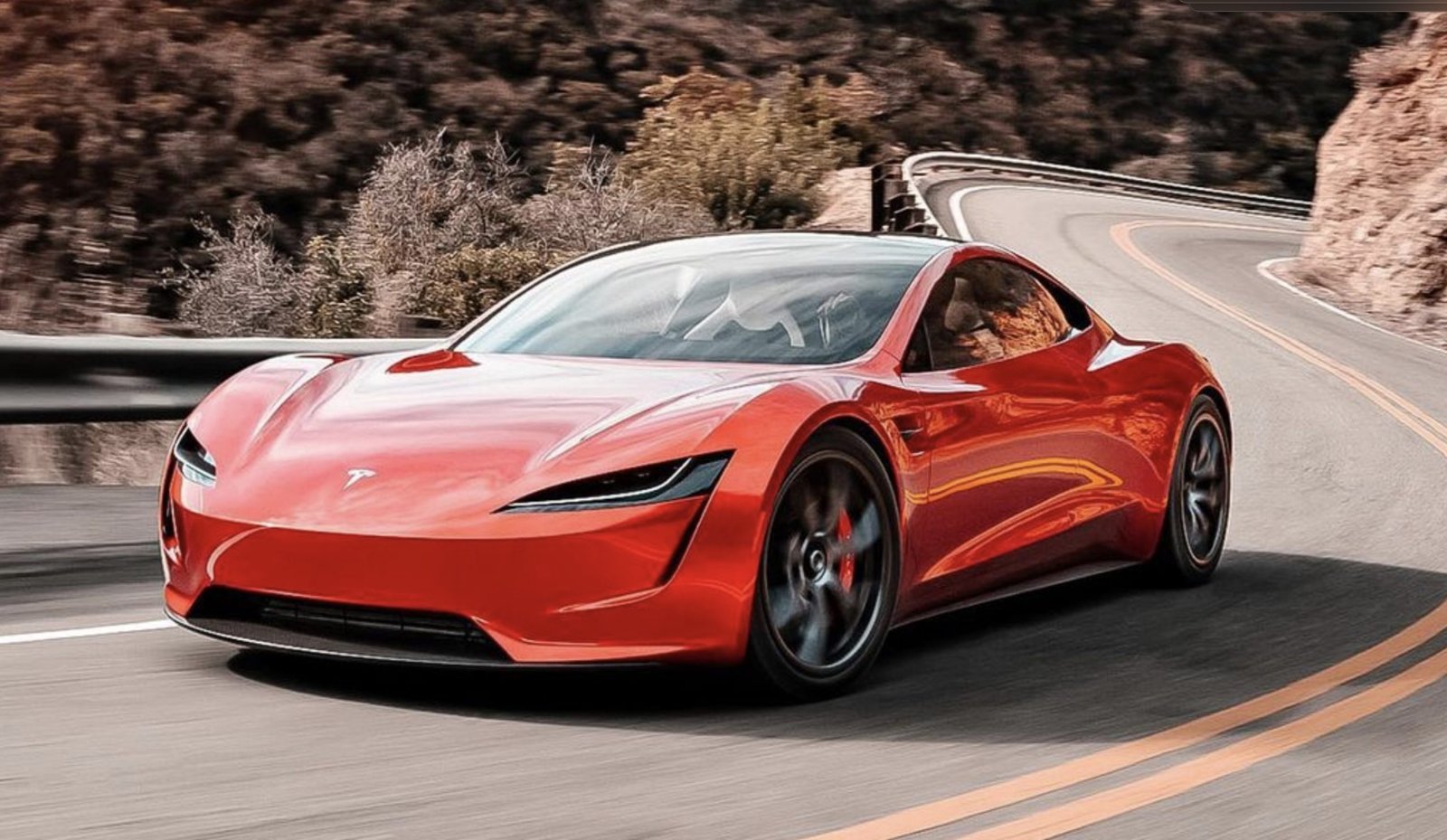
The Truth About Hydrogen Fuel Cell Cars
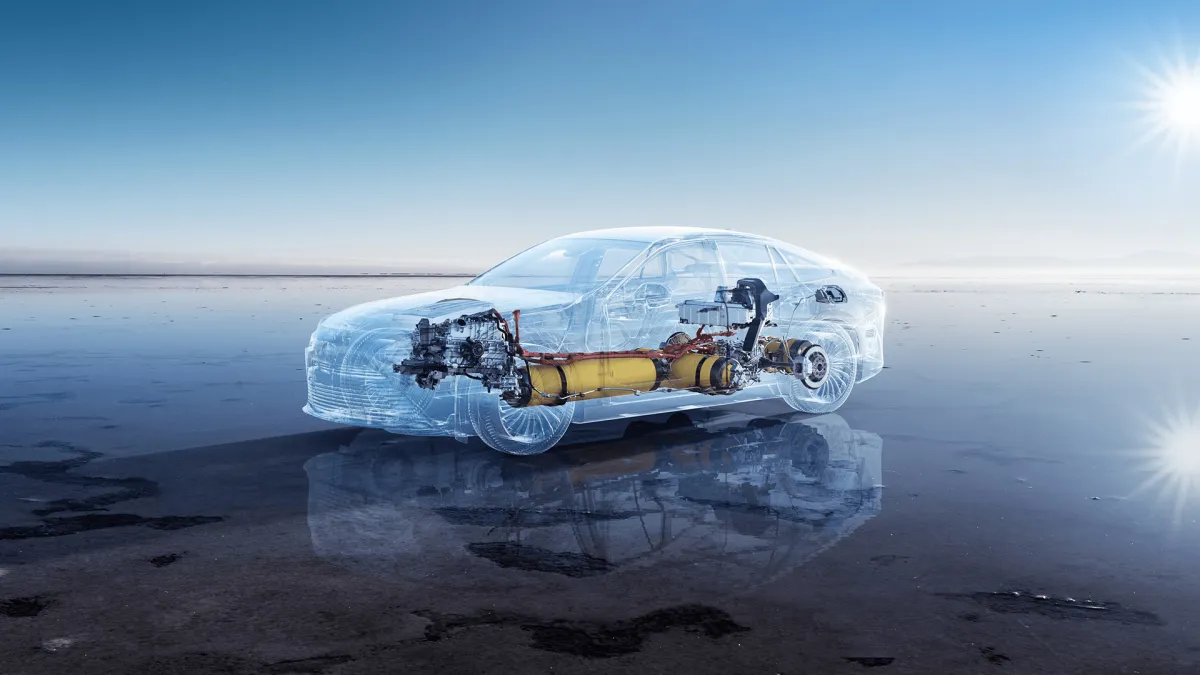
The Truth About Hydrogen Fuel Cell Cars: Are They the Future or a Dead End? (2025 Update)
Introduction
Hydrogen fuel cell cars (FCEVs) have long been touted as the "ultimate green vehicle"—emitting only water vapor while offering gas-like refueling speeds. But with EVs dominating the market, do hydrogen cars still stand a chance?
This 2025 deep dive examines:
✅ How hydrogen cars actually work
✅ Real-world range, refueling, and costs
✅ Why Toyota, Hyundai, and BMW still bet on hydrogen
✅ The biggest hurdles facing FCEVs
Let’s separate hype from reality.
1. How Hydrogen Fuel Cell Cars Work
🔋 The Science Behind FCEVs
- 1.Hydrogen Tank: Stores compressed H₂ gas (5-10,000 psi).
- 2.Fuel Cell Stack: Converts hydrogen + oxygen into electricity (no combustion).
- 3.Byproduct: Only water vapor (no CO₂ emissions).
- 4.Electric Motor: Powers the wheels (like a battery EV).
⚡ Key Differences vs. Battery EVs
| Feature | Hydrogen FCEV | Battery EV |
|---|---|---|
| Refueling Time | 3-5 minutes | 20-40 minutes (fast charging) |
| Range | 300-400 miles | 200-500 miles |
| Infrastructure | Limited stations (US: ~60) | Widespread chargers (US: 100,000+) |
2. The Pros: Why Hydrogen Still Has Supporters
🚀 Faster Refueling = No "Range Anxiety"
- Toyota Mirai: 400-mile range, fills up in 5 minutes (vs. 30+ mins for EVs).
- Best for fleets: Taxis, delivery trucks, and long-haul transport.
❄️ Better Cold Weather Performance
- No range loss in winter (unlike EVs, which lose 20-30% in freezing temps).
- Hyundai NEXO tested at -20°F (-29°C) with no issues.
♻️ Green Hydrogen Potential
- "Gray" hydrogen (made from methane) is common but not eco-friendly.
- "Green" hydrogen (made via solar/wind electrolysis) could be zero-emission—if scaled up.
3. The Cons: Why Hydrogen Cars Struggle
⛽ Refueling Stations Are Scarce
- US stations: ~60 (vs. 100,000+ EV chargers).
- California dominates: 90% of US hydrogen stations are here.
💸 High Costs (Vehicle & Fuel)
| Expense | Toyota Mirai | Tesla Model 3 |
|---|---|---|
| Vehicle Price | $50,000+ | $39,000 |
| Fuel Cost | $16/kg (~$0.32/mile) | $0.15/kWh (~$0.04/mile) |
Hydrogen is 4-8x more expensive per mile than electricity.
🛠️ Maintenance & Durability Concerns
- Fuel cells degrade: Lose ~10% efficiency every 100,000 miles.
- Limited mechanics: Few dealers can service FCEVs.
4. Who’s Still Betting on Hydrogen? (2024 Update)
🚗 Automakers Holding On
- Toyota Mirai: 2024 refresh with better range & efficiency.
- Hyundai NEXO: FCEV SUV with 380-mile range.
- BMW iX5 Hydrogen: Limited 2024 release (pilot fleet).
🚛 Hydrogen Trucks & Buses
- Nikola, Hyundai, and Volvo are developing hydrogen semis for long-haul freight.
- China’s strategy: 5,000 hydrogen buses by 2025.
5. Will Hydrogen Cars Ever Beat EVs?
🚦 The Biggest Challenges
- 1.Infrastructure: Building hydrogen stations costs $2M+ each (vs. $50k for fast chargers).
- 2.Efficiency: 70% of energy is lost making/transporting hydrogen (EVs lose ~10%).
- 3.Competition: Solid-state batteries (500+ miles, 10-min charging) could kill FCEVs by 2030.
🔮 The Best-Case Scenario
- Niche applications: Long-haul trucking, remote areas, and fleets.
- Green hydrogen boom: If renewable H₂ gets 10x cheaper, FCEVs could resurge.
6. Should You Buy a Hydrogen Car in 2024?
✅ Only If You...
✔ Live in California (or Japan/Germany with good infrastructure).
✔ Need fast refueling and long range (and don’t mind high costs).
✔ Want to support early tech (despite drawbacks).
❌ Avoid If You...
✖ Need low-cost driving (EVs are far cheaper).
✖ Travel outside hydrogen hotspots.
✖ Want resale value (FCEVs depreciate faster than EVs).
Conclusion: A Niche Player, Not a Mass Market Solution
Hydrogen cars aren’t dead—but they’re losing the race to EVs. Unless green hydrogen becomes cheap and stations multiply, FCEVs will remain a fleet-focused curiosity.
Final Verdict:
- 2024-2030: EVs win for passenger cars.
- Beyond 2030: Hydrogen might dominate trucking & aviation.
Would you ever buy a hydrogen car? Why or why not? ⚡
(Sources: DOE, Toyota, Hyundai, ICCT 2024 Reports)
Want more? Subscribe to ColoredCar.com for unbiased EV & FCEV analysis! 🚗💨